
Infrared Sauna Benefits: What the Science Says (And Who Should Skip It)
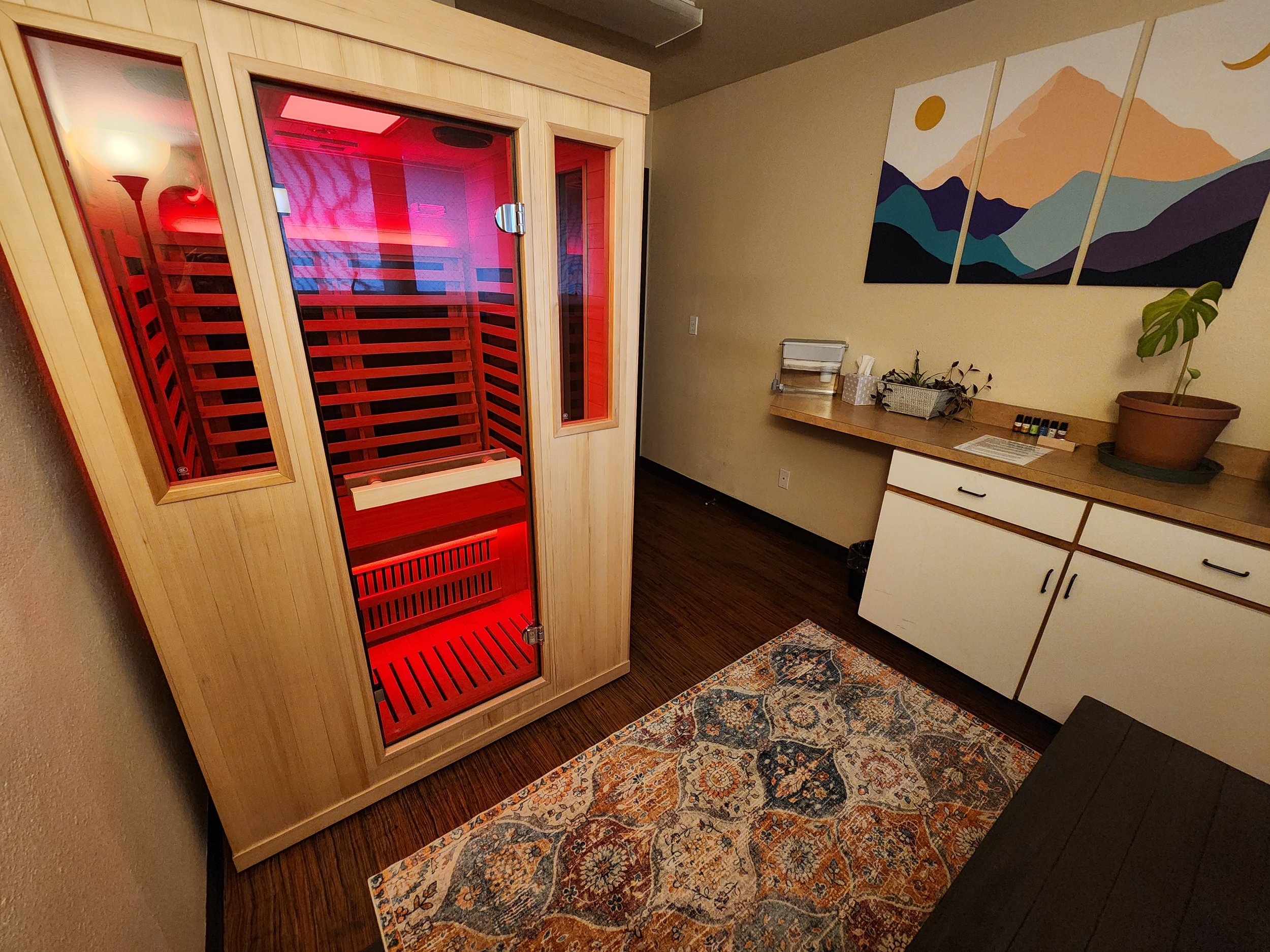
Infrared saunas have moved well beyond the spa and into mainstream wellness culture. You'll find them in gyms, recovery studios, and increasingly in people's homes. But do they actually live up to the hype? Here's a deep dive into what the research says about infrared sauna benefits, who stands to gain the most, and when to steer clear.
What Is an Infrared Sauna?
Unlike traditional saunas that heat the air around you, infrared saunas use infrared light to heat your body's tissues directly. This allows them to operate at lower temperatures — typically between 120°F and 140°F (50°C–60°C) — compared to the 180°F+ of a conventional sauna, while still triggering a significant physiological response.
Because the heat penetrates more deeply into tissue, users often produce a more vigorous sweat at a lower ambient temperature. Many people find this makes the experience more comfortable and easier to tolerate for longer sessions.
Key Health Benefits of Infrared Saunas
1. Cardiovascular Health
One of the most well-documented benefits of infrared sauna use is its positive effect on heart health. Observational studies suggest that people who sauna frequently have a significantly lower risk of fatal cardiovascular events compared to those who use it only once per week. Research has also shown improvements in blood pressure, vascular endothelial function, and clinical symptoms of congestive heart failure among regular users.
Some researchers have compared the cardiovascular response of a single infrared sauna session to walking at a moderate pace — your heart rate increases, blood vessels dilate, and circulation improves, all without the mechanical stress of physical activity.
2. Muscle Recovery and Athletic Performance
Infrared saunas have gained particular traction among athletes and fitness enthusiasts. Studies have found that a single infrared sauna session after intense exercise can reduce delayed-onset muscle soreness (DOMS). In one study involving basketball players, post-exercise infrared sauna use led to less muscle soreness, better perceived recovery, and better preservation of explosive performance. This suggests that muscles can "bounce back" faster with infrared heat.
The mechanism is straightforward: infrared heat promotes vasodilation, which increases blood flow to tired muscles, accelerating the delivery of oxygen and nutrients while helping flush out metabolic waste products like lactate.
3. Chronic Pain Relief
Some studies have found that infrared sauna therapy may be a promising method for managing chronic pain. Participants reported improved outcomes across the study period, with conditions like osteoarthritis, rheumatoid arthritis, and fibromyalgia all showing symptom relief in various research contexts.
The combination of improved circulation, reduced inflammation, and direct muscle relaxation from heat appears to be behind these effects.
4. Reduced Inflammation
Chronic inflammation underlies many of the most serious age-related diseases. Infrared sauna use works through a process called hormesis. The sauna induces mild thermal stress on the body, which triggers the activation of heat shock proteins (HSPs). These proteins help cells manage and reduce inflammation. Frequent use may help the body become better at regulating inflammation over time.
Research also suggests infrared heat can lower levels of inflammatory messengers such as cytokines and prostaglandins, offering a physiological basis for its pain-relieving and recovery-enhancing effects.
5. Mental Health and Stress Reduction
The mind-body benefits of sauna use are increasingly well-supported. A 2024 review of existing studies linked regular sauna bathing with improved well-being, reduced stress, and greater relaxation. This is thought to be driven by a combination of endorphin release, reduced inflammation, and a shift toward parasympathetic ("rest-and-digest") nervous system activity.
There is also growing evidence that whole-body heating, whether through infrared or Finnish saunas, can meaningfully improve symptoms of depression. Setting aside the heat itself, the quiet, still environment of a sauna session naturally encourages slower breathing and reduced mental activity, functioning as a kind of forced mindfulness.
6. Better Sleep
Relaxation and improved sleep often go hand in hand, and sauna use is no exception. By lowering cortisol levels, reducing muscle tension, and promoting the parasympathetic response, regular infrared sauna use has been associated with improvements in sleep quality. Those who already struggle with stress-related insomnia may find this benefit especially pronounced.
What the Research Gets Right and Where It Falls Short
It's worth being honest about the state of the evidence. While the research on infrared saunas is encouraging, most studies have been small, short-term, and conducted by a limited number of research groups. Some of the strongest long-term population data comes from studies on Finnish saunas rather than infrared saunas specifically, and the two modalities, while sharing many physiological effects, are not identical.
Claims about detoxification are largely unsupported for people without specific toxic exposures. Similarly, the evidence on cholesterol reduction is inconsistent and shouldn't be a primary reason to seek out sauna therapy.
That said, the overall picture is genuinely positive. No adverse events were reported across the peer-reviewed studies examined in major reviews, the benefits for certain populations are well-documented, and the risk profile for healthy adults is low.
Who Benefits Most from Infrared Sauna Use?
While infrared saunas can benefit nearly anyone, research suggests certain groups experience the most meaningful gains:
People with cardiovascular risk factors. Studies have consistently shown improvements in systolic blood pressure, heart function, and exercise tolerance among people with hypertension and congestive heart failure. For those looking to complement their cardiac care routine, infrared saunas offer a low-impact option.
Athletes and active individuals. The evidence for accelerated muscle recovery is particularly strong. Whether you're dealing with post-workout soreness or trying to preserve performance across training sessions, post-exercise infrared sauna use has measurable benefits.
People with chronic pain conditions. Those living with fibromyalgia, rheumatoid arthritis, or osteoarthritis have shown consistent symptom improvement in research settings. For people whose pain limits their ability to exercise, the sauna may offer a gentler route to some of the same physiological benefits.
People with high stress or poor sleep. The relaxation response triggered by infrared sauna use is genuine and well-documented. For people managing chronic stress, anxiety, or stress-related sleep issues, regular sessions may serve as an effective complement to other wellness practices.
Women navigating menopause. Some research suggests that by reducing systemic inflammation and promoting relaxation, infrared sauna sessions may help alleviate menopausal symptoms including hot flashes, mood swings, and fatigue.
Who Should Avoid Infrared Saunas?
Infrared saunas are generally safe for healthy adults, but there are important contraindications to be aware of:
Pregnant women. Sauna use, particularly in the first trimester, has been associated with potential harm to the developing fetus and possible birth defects, according to the American College of Obstetricians and Gynecologists. Pregnant women should avoid saunas unless specifically cleared by their OB-GYN.
People with multiple sclerosis. MS often causes heat intolerance, and infrared sauna use can temporarily worsen neurological symptoms. Most experts advise against sauna use for people with MS.
Men trying to conceive. Heat is harmful to sperm health. Men who are actively trying to father a child should avoid prolonged heat exposure, including infrared saunas. Alternatively, an ice pack can be placed near the groin to keep the testicles cool.
People with certain cardiovascular conditions. While sauna use benefits many people with cardiovascular risk factors, those with unstable heart disease, recent myocardial infarction, or other acute cardiac conditions should consult their cardiologist before using any type of sauna.
Anyone who is acutely ill. If you have a fever, active infection, or are otherwise unwell, wait until you have fully recovered before returning to sauna sessions.
Anyone with a history of heat intolerance. The deep penetrating heat can overwhelm your body’s thermoregulation leading to dizziness, dehydration, and heat stroke.
What Does an Infrared Sauna Session Involve?
If you're curious about what to expect, here's a practical guide to experiencing the sauna at our office.
The space. Our infrared sauna is located in its own private room, so you'll have a quiet, comfortable space entirely to yourself. You're welcome to bring a friend or partner to share the session, just make sure to use your indoor voices.
Session length. Sessions are booked for 30 or 45 minutes. We tack on a 15-minute buffer at the end of your sauna session. That buffer gives you unhurried time to cool down, rehydrate, and transition back into your day without feeling rushed.
What to wear. You can use the sauna in light, comfortable clothing or in the nude, whichever feels most comfortable to you. Either way, place a towel on the bench before sitting down.
Enhancing your experience. The sauna is equipped with chromotherapy (color light therapy), which pairs naturally with the heat to support relaxation and mood. You can also add aromatherapy to your session for an extra layer of sensory calm. And if you'd like a soundtrack, simply connect your phone to the sauna's Bluetooth speaker.
Staying hydrated. Water is available in the room, so sip regularly throughout your session. If you want to replenish electrolytes afterward (highly recommended), electrolyte packets are available for purchase at the front desk.
Pairing with acupuncture. Sauna and acupuncture work well together and can be done on the same day. We recommend doing the sauna first and acupuncture second, as the heat helps relax the muscles and nervous system, which can make your acupuncture treatment even more effective.
A few things to keep in mind before you go in. Avoid heavy meals in the hour before your session. If it's your first time, starting with a shorter session at a lower temperature lets your body adjust comfortably. Listen to your body throughout. It's fine to step out early if you need to. And if you have any health conditions or concerns, check in with us or your healthcare provider before booking.
Bottom Line
Infrared saunas offer a real, science-backed complement to a healthy lifestyle, particularly for people managing cardiovascular risk, chronic pain, athletic recovery, or stress. Like most wellness tools, they work best as part of a broader approach rather than a stand-alone solution. If you have any underlying health conditions, check with your healthcare provider before starting a routine. For most healthy adults, though, the question isn't really if infrared saunas can help, it's when you're fitting your next session in.